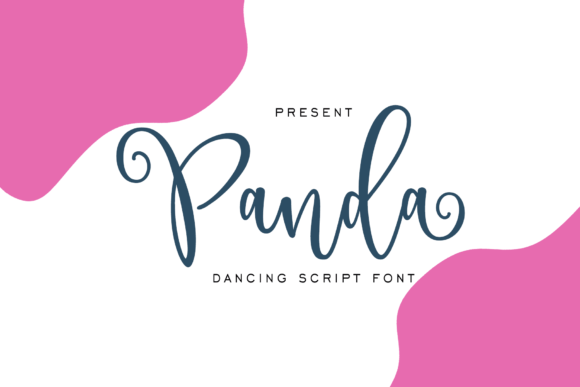
Panda Script: A Delicate and Elegant Font for Timeless Design
When it comes to typography, the right font can elevate a design from ordinary to extraordinary. Panda Script is one such font that stands out with its delicate and elegant style. This script font exudes a sense of class and sophistication, making it a popular choice among designers, marketers, and creatives who want to add a touch of refinement to their work.
Panda Script is particularly well-suited for projects that require a soft, flowing aesthetic—such as wedding invitations, branding materials, logos, or even digital content like blog headers and social media posts. Its graceful curves and balanced proportions make it versatile enough to be used in both traditional and modern design contexts.
Why Panda Script Appeals to Designers
The allure of Panda Script lies in its ability to convey elegance without being overly ornate. It strikes a perfect balance between readability and beauty, which is essential when choosing a script font. Unlike some other script fonts that may be difficult to read at smaller sizes or in certain color combinations, Panda Script maintains clarity and legibility across various applications.
Designers often gravitate toward Panda Script because it offers a refreshing alternative to more common sans-serif or serif fonts. Whether you're creating a logo, designing a poster, or crafting a website layout, this font brings a unique visual appeal that can set your project apart.
Common Mistakes When Using Panda Script
While Panda Script is an excellent choice for many design projects, there are several common mistakes that users might make when incorporating it into their work. These errors can affect the overall presentation, usability, and effectiveness of the design.
- Misusing the font in low-contrast environments: Panda Script's delicate nature makes it less suitable for backgrounds with low contrast. Using it on light-colored or busy backgrounds can make the text hard to read, reducing the impact of the design.
- Overusing the font: While Panda Script is visually appealing, using it excessively can lead to a cluttered or unprofessional appearance. It’s best to reserve it for headings, logos, or accents rather than using it throughout an entire document or webpage.
- Ignoring scalability: Panda Script may not scale well in very small sizes. If you plan to use it in a context where it will appear tiny, such as in a mobile app or a long list of items, consider pairing it with a more readable font for body text.
- Not checking licensing terms: Many users overlook the importance of understanding the licensing agreement for Panda Script. Failing to do so can result in legal issues if the font is used beyond the scope of the license, especially in commercial projects.
How to Avoid These Mistakes
To ensure that Panda Script enhances your design rather than detracts from it, consider the following tips:
- Use it in high-contrast settings: Pair Panda Script with dark text on a light background or vice versa to maintain readability and visual appeal.
- Limit its use: Reserve Panda Script for key elements like headlines, logos, or call-to-action buttons. This ensures that the font remains impactful without overwhelming the viewer.
- Test it at different sizes: Before finalizing your design, test how Panda Script looks at various sizes to ensure it remains legible and aesthetically pleasing across all platforms.
- Review the licensing agreement: Always read the terms of use for Panda Script before downloading or purchasing it. Make sure you understand what is allowed and what isn't, especially if you're using it for commercial purposes.
Realistic Examples of Panda Script in Action
Let’s take a look at a few realistic examples of how Panda Script can be effectively used in design:
Example 1: Wedding Invitations
Imagine a wedding invitation where the main title is written in Panda Script. The font adds a romantic and elegant feel to the design, complementing the theme of the event. However, the body text is in a clean, sans-serif font to ensure readability.
Example 2: Branding Materials
A boutique clothing brand might use Panda Script for its logo and tagline. The font conveys a sense of sophistication and exclusivity, aligning with the brand's image. In promotional materials, the same font could be used sparingly for headlines or subheadings.
Example 3: Social Media Posts
For a lifestyle blog or personal brand, Panda Script can be used in captions or headlines on Instagram or Pinterest. It adds a touch of personality and charm to the content while remaining legible on mobile devices.
What to Check Before Using Panda Script
Before deciding to use Panda Script in your next project, there are a few things you should check to ensure that it meets your needs:
- Compatibility: Make sure that Panda Script is compatible with the software or platform you’re using. Some fonts may not render correctly on certain devices or applications.
- Font Quality: Download the font from a reputable source to ensure that you're getting a high-quality version. Low-quality fonts can lead to distorted text or poor rendering on different screens.
- License Restrictions: Review the licensing terms carefully. Some fonts come with restrictions on how they can be used, especially in commercial projects. If you're unsure, contact the font provider for clarification.
- User Reviews: Look up user reviews or testimonials about Panda Script to get an idea of how others have used it and whether it suits your needs. This can help you avoid potential pitfalls or disappointments.
By taking these factors into account, you can make an informed decision about whether Panda Script is the right choice for your project. With its elegant and delicate style, Panda Script can be a valuable addition to any designer's toolkit when used wisely and appropriately.