Rhythm Script
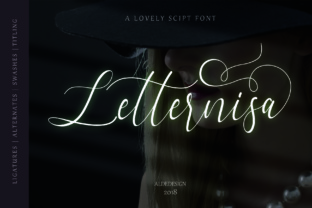
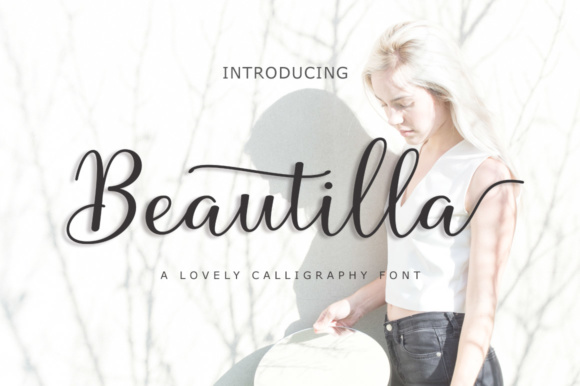
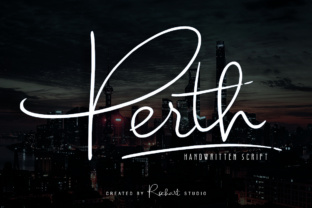
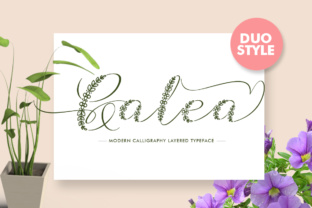
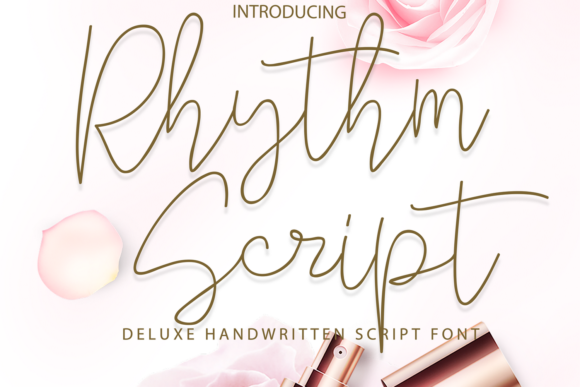
Rhythm Script is an elegant, timeless handwritten font that captures the essence of personal expression through typography. Designed to evoke a sense of authenticity and artistry, it blends the fluidity of cursive writing with the precision of professional typefaces. This font is ideal for creative projects where a unique visual identity is essential.
As a handwritten script, Rhythm Script offers a distinct aesthetic that stands out in both digital and print formats. Its design features subtle variations in stroke width and character spacing, giving it a natural, organic feel. These characteristics make it particularly well-suited for applications where a human touch is desired.
Why Consider Rhythm Script?
There are several compelling reasons why someone might be interested in using Rhythm Script. First, its elegant appearance can enhance the visual appeal of any project. Whether you're designing a logo, creating marketing materials, or working on a personal brand, this font can add a refined and artistic element.
Additionally, Rhythm Script is versatile enough to be used across various platforms and media. It works well in both digital and print environments, making it a practical choice for designers who need a font that performs consistently across different formats.
Another benefit is its readability. While it is a script font, Rhythm Script maintains clarity even at smaller sizes. This makes it suitable for use in headings, titles, and other elements where legibility is important.
Benefits and Tradeoffs
The primary benefit of Rhythm Script is its ability to convey creativity and individuality. It allows designers to break away from more conventional fonts and express their ideas in a more distinctive way. This can be especially valuable in branding efforts where standing out from the competition is crucial.
However, there are also some tradeoffs to consider. Because it is a script font, it may not be as suitable for long blocks of text. In such cases, a sans-serif or serif font would be more appropriate for body copy, while Rhythm Script could be reserved for headings or accents.
Another consideration is compatibility. While Rhythm Script is widely supported, it's always a good idea to check that it will render correctly on all intended platforms and devices. Some older systems or specific software may have limitations in terms of font support.
Situations Where Rhythm Script Excels
Rhythm Script is a strong fit for projects that require a creative, artistic, or personal touch. It works exceptionally well in the following scenarios:
- Branding and Logo Design: The font's elegance makes it a great choice for logos that aim to communicate sophistication and uniqueness.
- Invitations and Stationery: Wedding invitations, greeting cards, and other stationery items often benefit from the personal feel of a script font.
- Creative Projects: Use Rhythm Script in presentations, posters, or illustrations where visual impact is key.
- Personal Blogs or Websites: For bloggers or content creators looking to establish a unique online presence, this font can help create a memorable aesthetic.
When to Consider Alternatives
While Rhythm Script has many strengths, there are situations where other fonts may be more appropriate. If your project requires high readability over large areas of text, a clean sans-serif or serif font would be a better choice. Script fonts can sometimes appear less formal or harder to read in extended passages.
Additionally, if you're targeting a more professional or corporate audience, a more traditional font might be preferable. Rhythm Script's handwritten nature may not align with the expectations of certain industries or audiences.
For international audiences, it's also worth considering whether the font supports multiple languages and special characters. While Rhythm Script is likely to be comprehensive, verifying this can help avoid potential issues with text rendering.
Practical Insights for Decision-Making
When evaluating whether Rhythm Script is right for your project, start by considering the overall tone and message you want to convey. If you're aiming for something creative, expressive, or personal, this font can be an excellent choice.
Next, think about how the font will be used. Will it be for short phrases or long paragraphs? Will it be viewed on screens or printed materials? These factors can influence which font is most effective.
It's also helpful to test Rhythm Script in context. Preview how it looks alongside other design elements, such as colors, images, and layout. This can give you a better sense of how well it integrates into your overall design.
Finally, consider the needs of your audience. If they expect a more formal or professional look, you may want to pair Rhythm Script with a complementary font that provides balance and structure.
By carefully evaluating these aspects, you can determine whether Rhythm Script aligns with your goals and enhances your design rather than detracting from it.