Backtrack Script: A Strategic Tool for Elevating Design and Communication
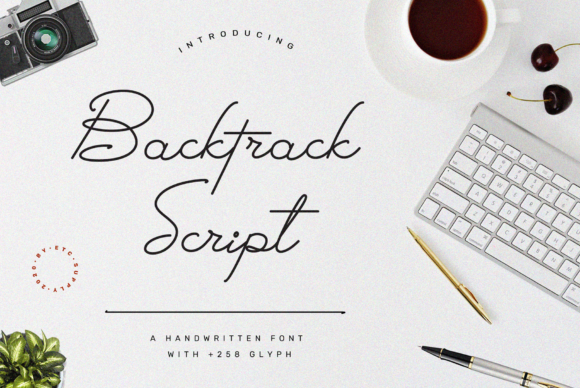
Backtrack Script is a handwritten font that combines elegance with functionality, offering designers and communicators a unique way to enhance visual storytelling. With its flowing lines, varying baseline, and rich set of glyphs and swashes, this font is more than just an aesthetic choice—it's a strategic asset that can influence perception, reinforce brand identity, and elevate the quality of creative output. Whether you're designing marketing materials, crafting editorial content, or developing branding elements, Backtrack Script provides a versatile foundation for thoughtful design decisions.
Understanding the Strategic Value of Backtrack Script
Backtrack Script is PUA encoded, which means it grants users easy access to all its glyphs and swashes through standard font tools. This level of accessibility ensures that even those without advanced typographic knowledge can take full advantage of the font’s features. Its calligraphic influences provide a sense of authenticity and craftsmanship, while its contemporary feel ensures it remains relevant in modern design contexts.
The font's varying baseline adds a dynamic element to text, allowing for expressive typography that can reflect tone, mood, and intent. When used strategically, this can help communicate ideas more effectively by aligning visual style with message clarity and emotional resonance.
When to Use Backtrack Script for Maximum Impact
Backtrack Script excels in situations where a personal, artistic, or refined touch is desired. It is particularly well-suited for:
- Brand identity projects: From logos to packaging, Backtrack Script can convey a sense of sophistication and individuality that resonates with audiences seeking authenticity.
- Editorial and publishing work: Used in titles, headings, or pull quotes, it can add visual interest without overwhelming the reader.
- Creative marketing campaigns: Whether in social media posts, email headers, or promotional banners, the font can capture attention and reinforce brand messaging.
- Personalized communication: In invitations, thank-you notes, or client communications, it can help establish a warm, professional connection.
However, it is important to consider the context before using Backtrack Script. While its beauty is undeniable, overuse or misuse can lead to visual clutter, reduced readability, or a mismatch between the font and the intended message.
Strategic Planning for Effective Use of Backtrack Script
Before incorporating Backtrack Script into any project, it is essential to define clear goals and understand the audience. Consider the following steps:
- Define the purpose: What is the primary objective of the design? Is it to inform, persuade, entertain, or inspire?
- Understand the audience: Who will be viewing the content? What are their preferences, expectations, and cultural associations with typography?
- Evaluate the context: Will the font be used in print, digital, or both? How does it fit within the overall design system or brand guidelines?
- Test readability: Ensure that the font maintains legibility across different sizes, colors, and backgrounds. Avoid using it in small text or low-contrast environments.
- Balance aesthetics with function: Use the font to enhance the message rather than distract from it. Pair it with complementary fonts for contrast and hierarchy.
By approaching the use of Backtrack Script with intentionality, you can ensure that it serves as a meaningful component of your design strategy rather than a superficial embellishment.
Risks of Using Backtrack Script Without Strategy
While Backtrack Script offers many benefits, it is not a one-size-fits-all solution. Some potential risks include:
- Reduced readability: The script style may be difficult to read in certain formats or at smaller sizes, leading to confusion or misinterpretation.
- Inconsistent brand perception: If the font is used inappropriately or inconsistently, it may create a disjointed brand image or dilute the intended message.
- Overuse: Applying the font too frequently or in inappropriate contexts can diminish its impact and make the design appear unprofessional.
- Limited compatibility: Not all platforms or devices may support PUA encoding, which could affect how the font displays across different mediums.
To mitigate these risks, it is crucial to align the use of Backtrack Script with broader design principles and user experience considerations.
Practical Examples and Decision-Making Guidance
Let’s explore a few practical examples of how Backtrack Script can be used effectively in real-world scenarios:
Example 1: Branding a Creative Studio
A graphic design studio wants to create a new logo that reflects creativity and professionalism. By using Backtrack Script for the main title, they can convey a sense of artistry while maintaining a clean, modern look. Supporting text can be in a sans-serif font to ensure readability.
Example 2: Publishing a Lifestyle Blog
A lifestyle blog looking to enhance its visual appeal might use Backtrack Script for section headings or featured articles. This can add a personal touch while keeping the content engaging and easy to follow.
Example 3: Crafting Client Emails
A freelance designer might use Backtrack Script in the subject line or greeting of a client email to create a warm, approachable tone. However, the body of the email should remain in a more straightforward font to maintain clarity and professionalism.
These examples illustrate how Backtrack Script can be integrated thoughtfully into various projects. The key is to balance its stylistic qualities with functional requirements.
Long-Term Benefits of Intentional Font Use
Using Backtrack Script intentionally can yield long-term benefits for both individuals and organizations. For professionals, it can help build a distinctive personal brand that stands out in competitive markets. For businesses, it can contribute to stronger brand recognition, improved customer engagement, and more effective communication.
Additionally, by making informed choices about typography, designers and communicators can develop a deeper understanding of visual language and its impact on human perception. This knowledge can be applied across a wide range of creative disciplines, from web design to print media.
In conclusion, Backtrack Script is a powerful tool that can enhance the visual and emotional impact of your work when used with care and consideration. By aligning its use with strategic goals, audience needs, and design principles, you can unlock its full potential and achieve better results in your creative endeavors.